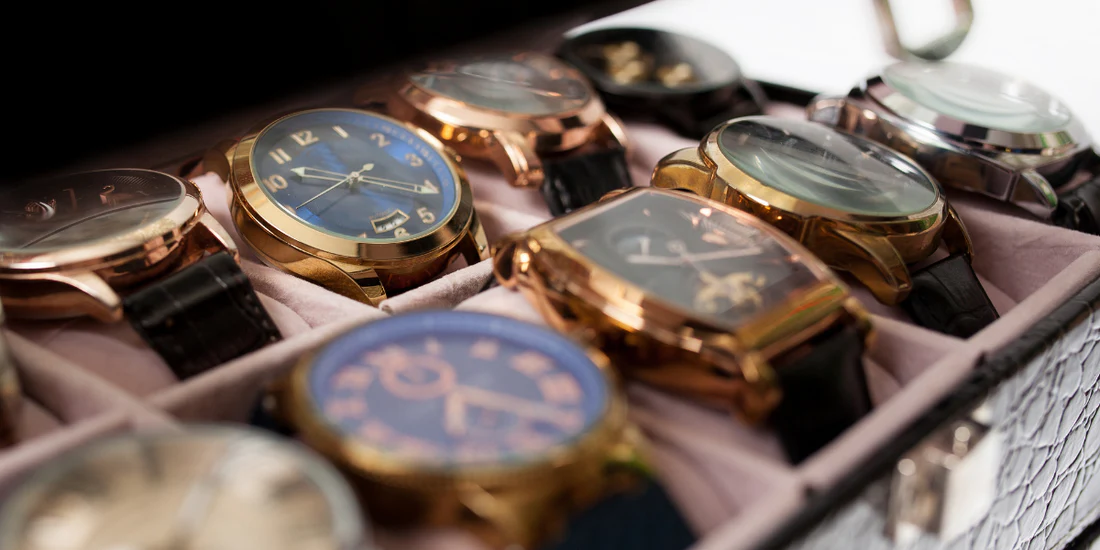
From Sundials to Smartwatches: A Timeless Journey Through Watch History
Oct 31,2024 | MPT WATCHES
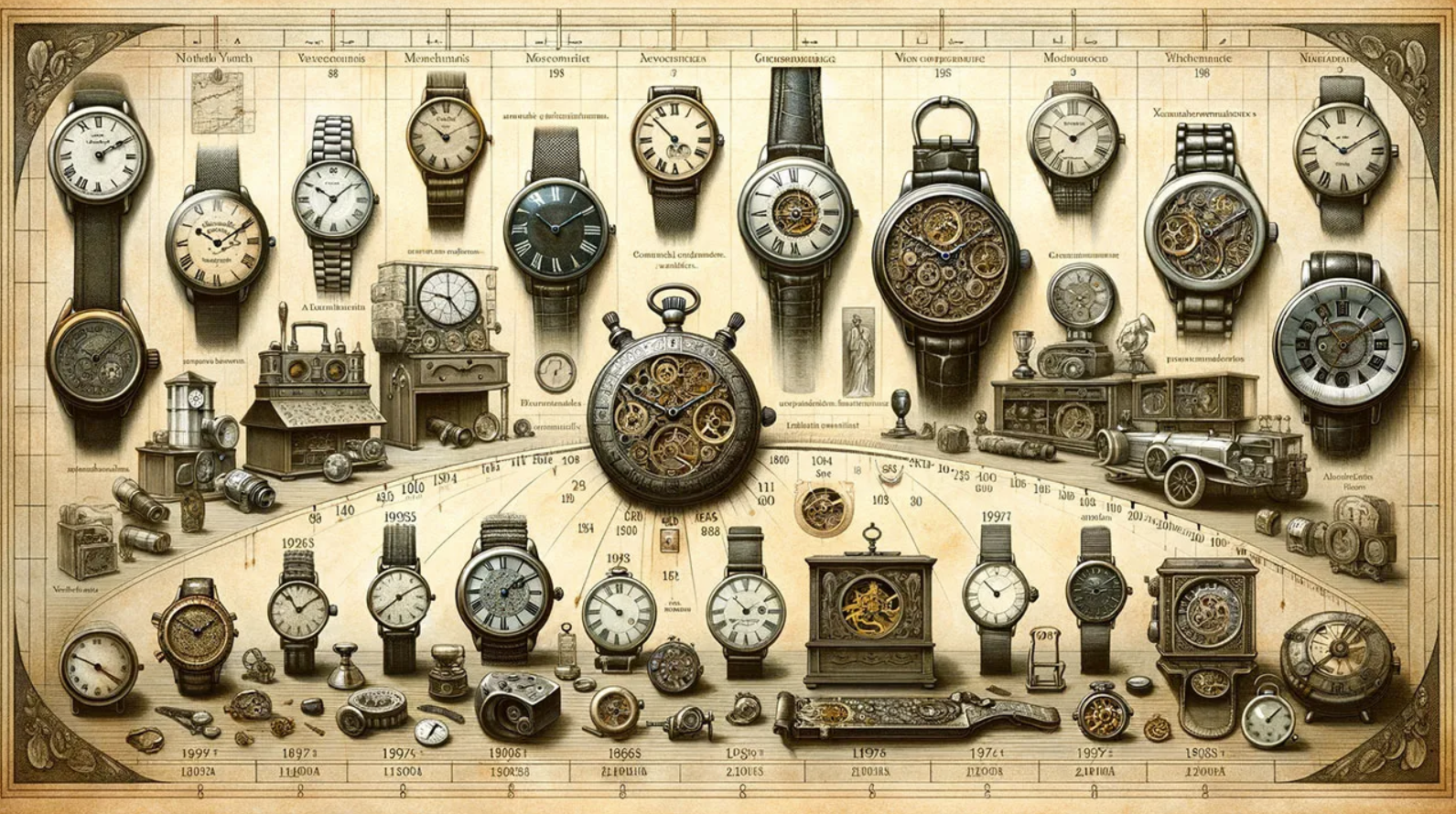
1. The Dawn of Timekeeping: Ancient Clocks and Sundials

- Ancient Civilizations' Inventions: In ancient times, cultures around the world—like those in China and the Middle East—developed sundials and incense clocks to keep track of time, transforming nature’s rhythm into daily routines.
Incense Clocks and Beyond: Civilizations like the Chinese also used incense clocks, which released a specific scent over time. Each method was culturally unique and reflects the creative ways people tracked time.
2. Mechanical Marvels: The Birth of Portable Time
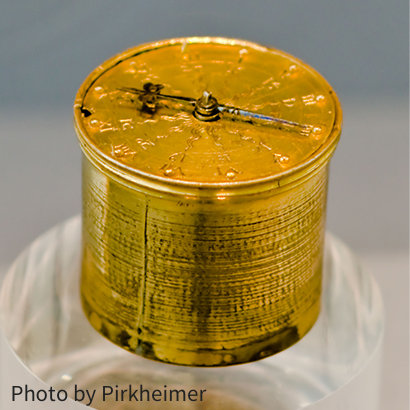
The 14th Century’s Big Leap: The invention of mechanical clocks in Europe laid the foundation for all clocks and watches to come, making timekeeping both more precise and accessible.
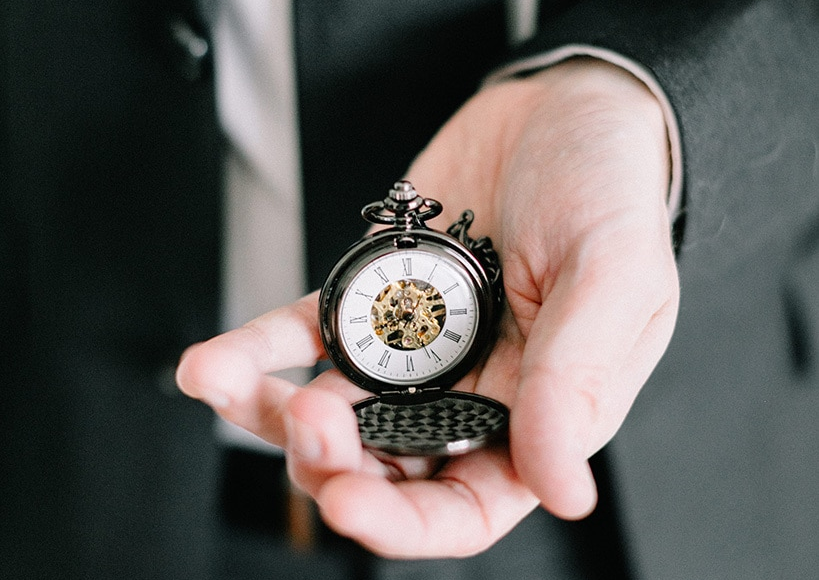
Pocket Watches Status Symbols of the Elite: By the 1600s, pocket watches had become popular status symbols, much like the keris daggers and elaborate jewelry held significance in our own cultural history. These timepieces were prized accessories, used by nobles to showcase wealth and sophistication.
3. From Pockets to Wrists: The Invention of the Wristwatch
Why Women Wore Wristwatches First: Initially, wristwatches were designed as jewelry for women and considered impractical for men.
The Shift to Wristwatches: During the early 20th century, wristwatches became essential in war, helping soldiers and officers coordinate. This shift made wristwatches practical and widely accepted. World War I’s Impact
4. The Quartz Revolution: Timekeeping for the Masses
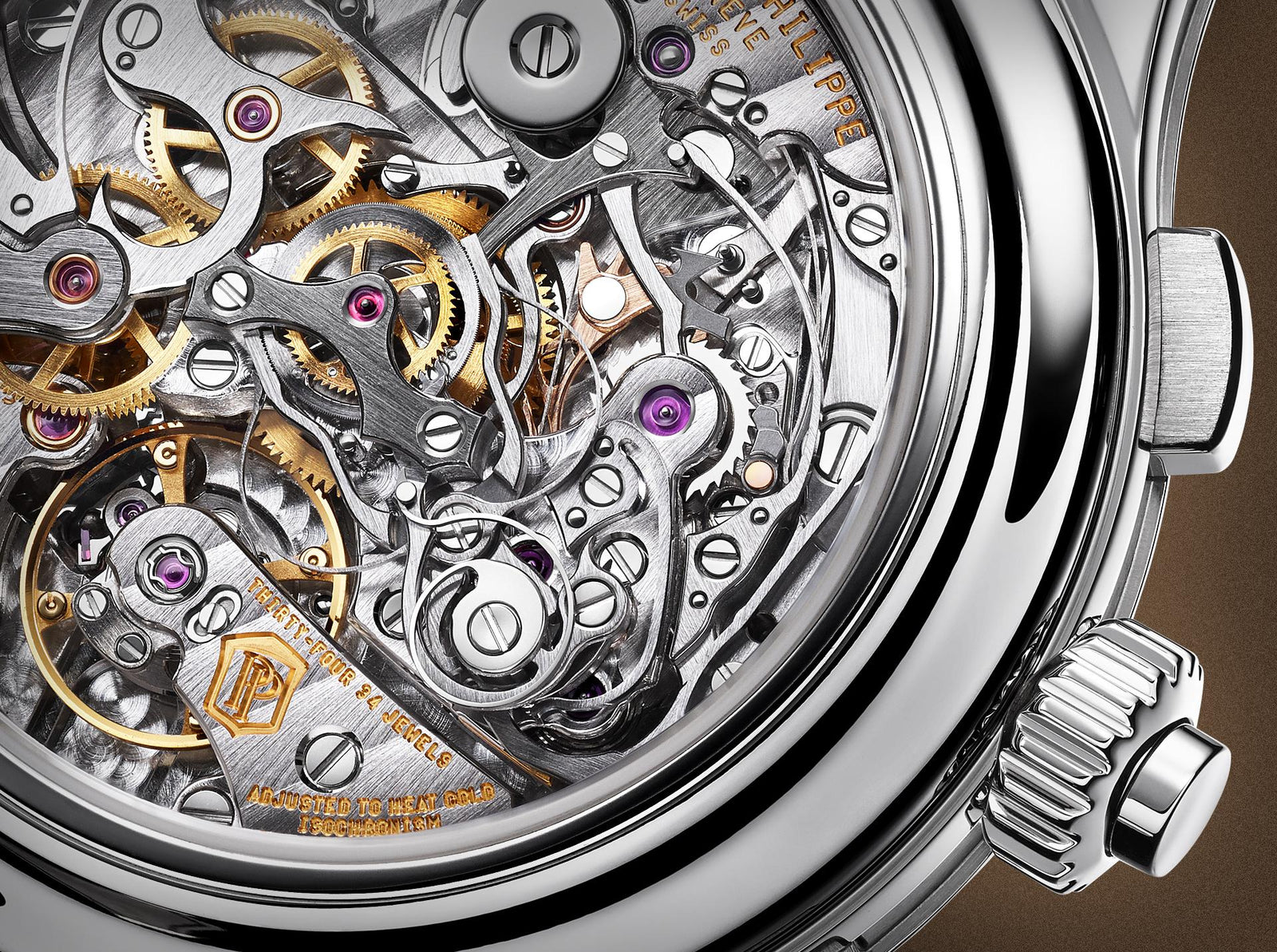
The 1970s Breakthrough: Quartz watches, powered by batteries and accurate to within seconds, transformed the industry, making watches affordable and accessible to people everywhere. This technology brought timepieces into the hands of the masses.
The Challenge for Traditional Watchmakers: Some traditional brands struggled, but others embraced the changes and continued to create classic designs that remain popular today.
5. Smart Technology: Watches Become Our Daily Companions
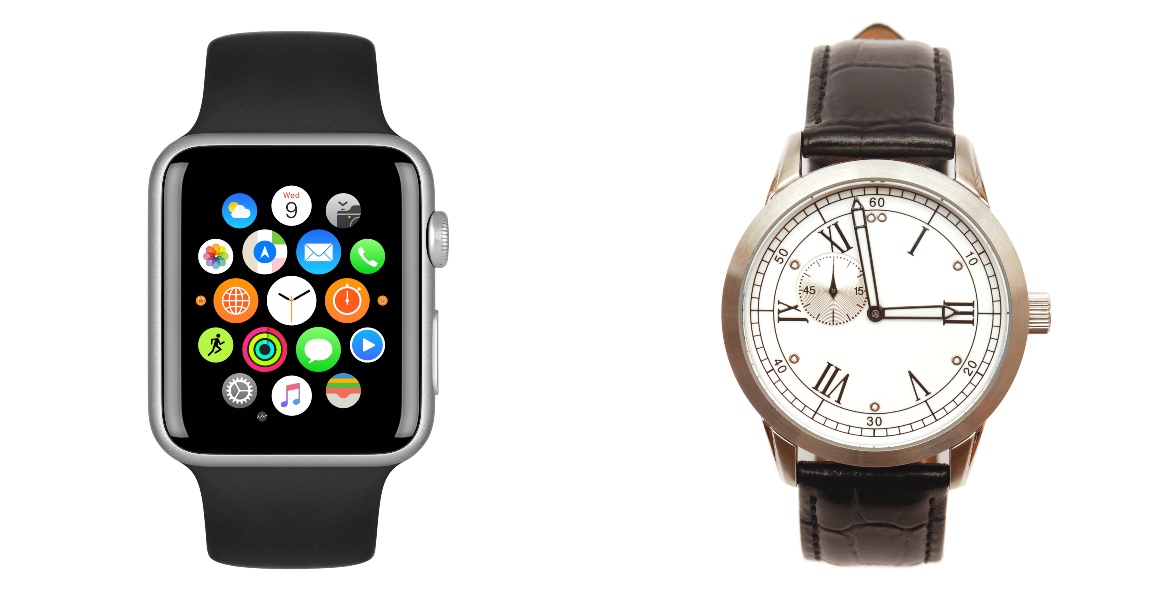
The First Digital Watches: From LED screens to calculator watches, the digital era made watches not only practical but exciting as new features became available.
Smartwatches Today: Today, watches track our health, send messages, and remind us of appointments—a complete transformation from simple timekeeping to personal devices that help manage our lives.
6. Luxury and Legacy: The World of Iconic Timepieces
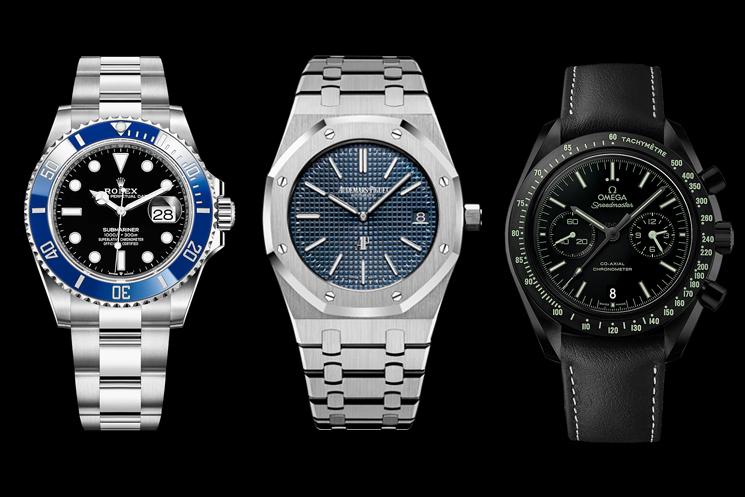
- Craftsmanship and Excellence: Swiss brands like Rolex and Omega became renowned for their precision and elegance, celebrated across the world, including in Malaysia.
Iconic Designs: Models like Rolex’s classic pieces and the Casio G-Shock left lasting impressions, appealing to both collectors and everyday wearers.
Conclusion
Today, whether mechanical or digital, watches remain more than mere timekeepers. Each timepiece tells a story, a personal connection to a craft that has adapted across centuries. So, as you glance down at your watch, remember—you’re part of a history that goes back millennia.
Comment