Watch Styles Through the Decades: A Guide to Timeless Designs
Jul 14,2025 | MPT WATCHES
1. The 1920s: Classic Elegance and Art Deco
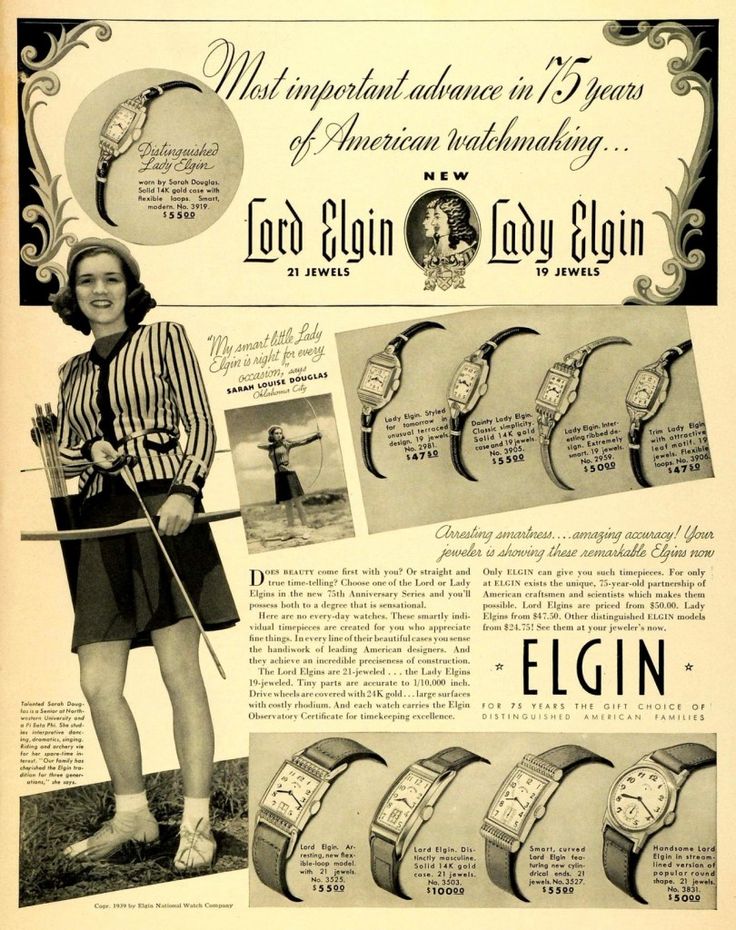
The 1920s was a time of innovation and opulence, and this was reflected in the design of watches. The Art Deco movement brought geometric shapes, bold lines, and luxurious materials like gold and enamel into the world of watchmaking. Wristwatches became a symbol of sophistication, with many models featuring thin profiles, elegant leather straps, and ornate detailing.
Key Features:
-
Rectangular and square cases
-
Geometric patterns and bold color contrasts
-
Leather straps with polished finishes
2. The 1930s: The Rise of the Pilot and Tool Watches
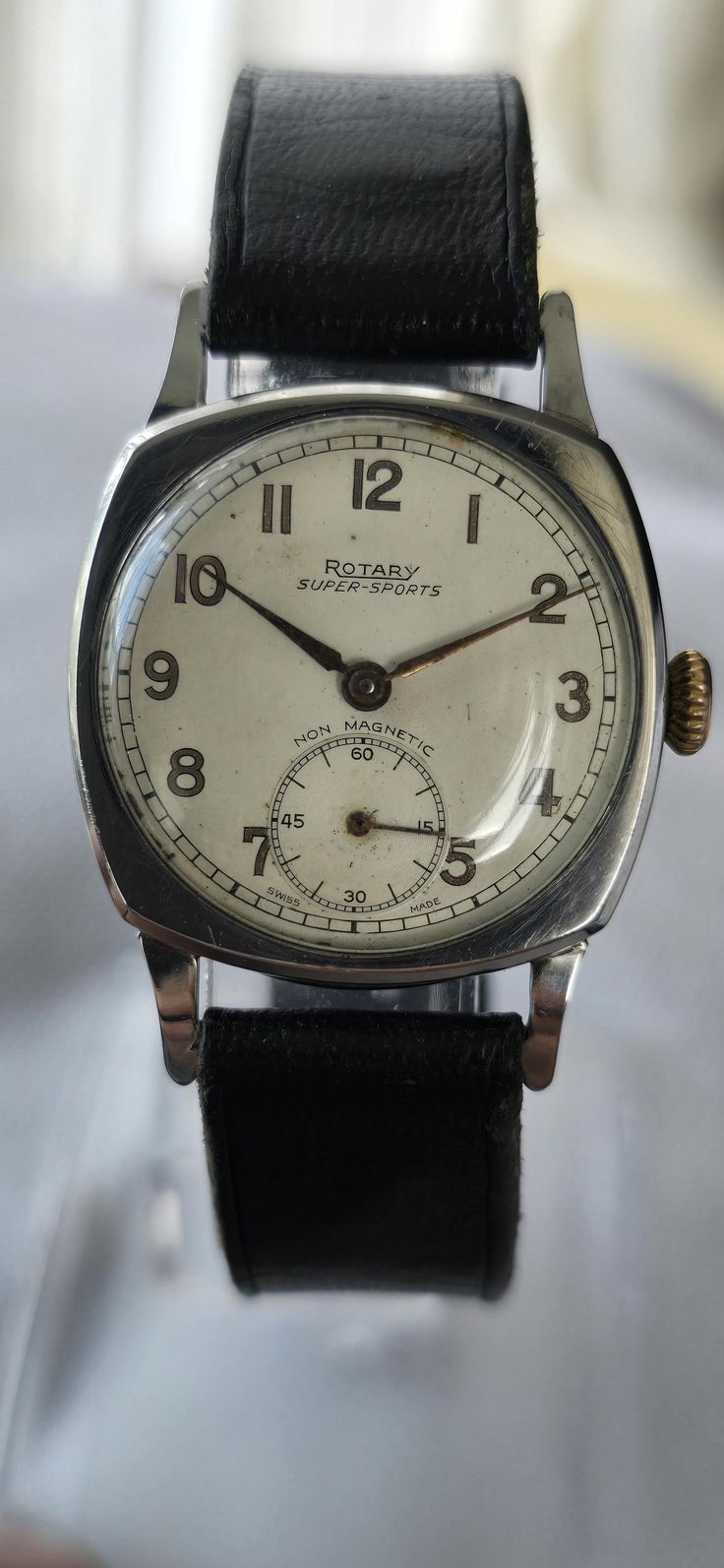
In the 1930s, the demand for more functional timepieces grew, particularly among pilots and military personnel. This led to the creation of tool watches—designed for precision and durability. The iconic pilot watch, with its large, easy-to-read dials and luminous hands, was born during this time. These timepieces were built to withstand the harsh conditions of aviation and combat.
Key Features:
-
Large, legible dials
-
Luminous hands and numerals for readability in low light
-
Robust cases with metal or leather straps
3. The 1940s: The Era of the Diver’s Watch
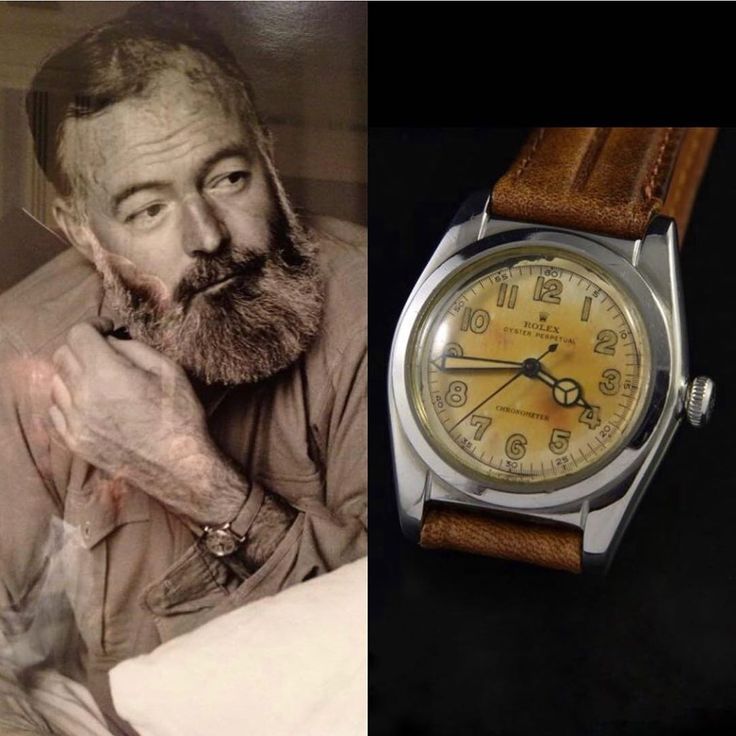
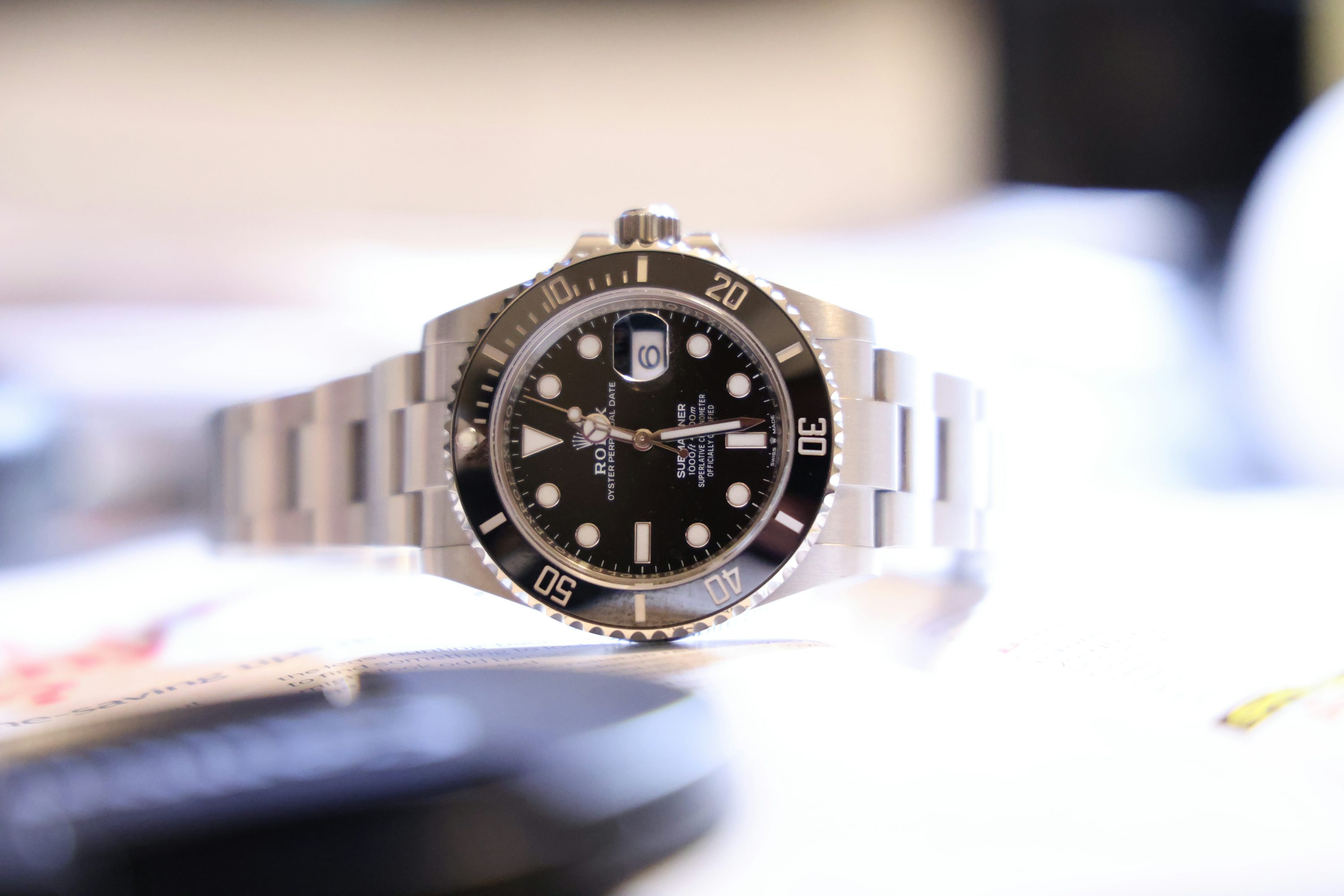
The 1940s saw the emergence of the diver’s watch, thanks to the growing popularity of underwater exploration. Watches like the Rolex Submariner and Omega Seamaster were designed with waterproof capabilities, rotating bezels, and sturdy cases to withstand pressure. These watches had a rugged, utilitarian look, but with design elements that made them equally stylish for everyday wear.
Key Features:
-
Water-resistant cases and rotating bezels
-
Clear, readable dials with large markers
-
Sturdy metal bands or rubber straps
4. The 1950s: The Birth of the Luxury Sports Watch
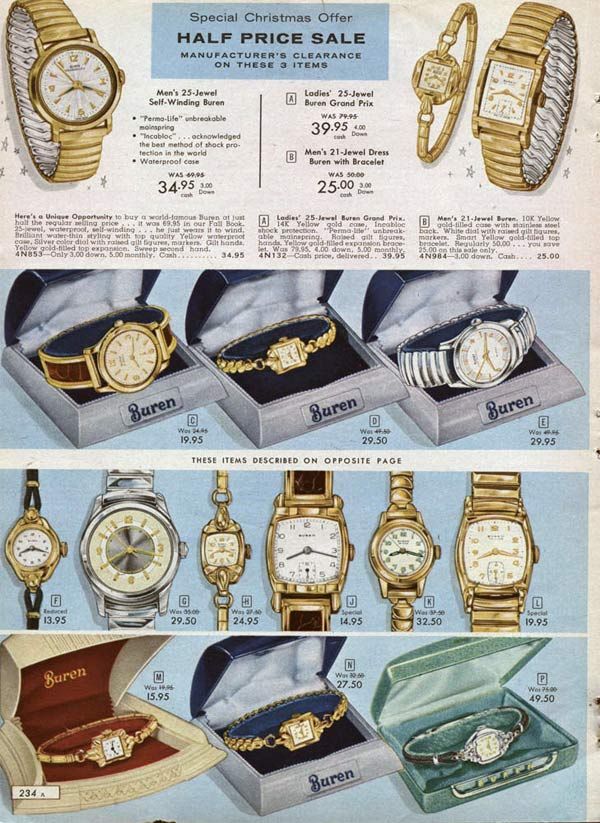
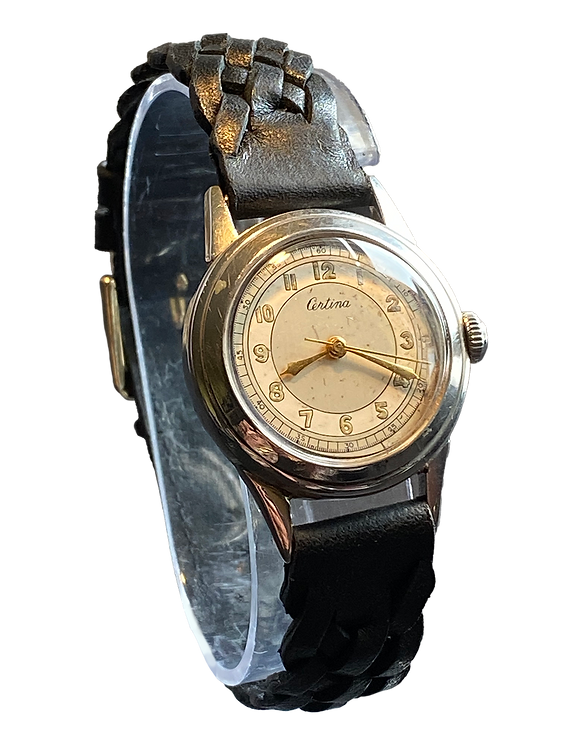
The 1950s marked the rise of luxury sports watches—models that combined both elegance and durability. Watches like the Omega Speedmaster and the Audemars Piguet Royal Oak became the blueprint for the modern luxury sports watch. These timepieces featured clean lines, polished metal cases, and elegant dials while maintaining the robust performance needed for an active lifestyle.
Key Features:
-
Sleek, polished metal cases
-
Clean, minimalist dials with simple hour markers
-
Combination of luxury and functionality
5. The 1960s: The Space Age and Technological Innovation
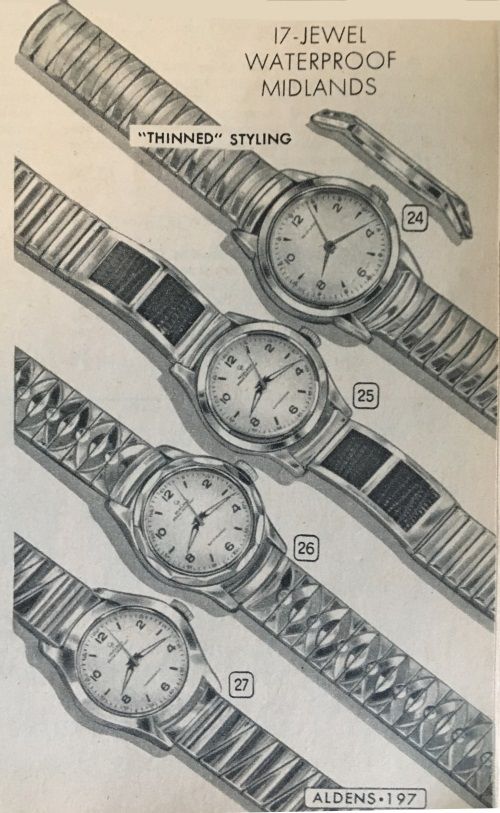
The 1960s brought a new era of innovation, driven by the Space Race and advancements in technology. The iconic Omega Speedmaster, known as the "Moonwatch," became the first watch worn on the moon, solidifying the space-age influence on watch design. During this period, watches started to feature more complex functions like chronographs, tachymeters, and multi-complications.
Key Features:
-
Chronograph functions and complex dials
-
High-tech materials and precision movements
-
Bold, experimental designs that pushed the boundaries of watchmaking
6. The 1970s: The Advent of the Digital and Quartz Watch
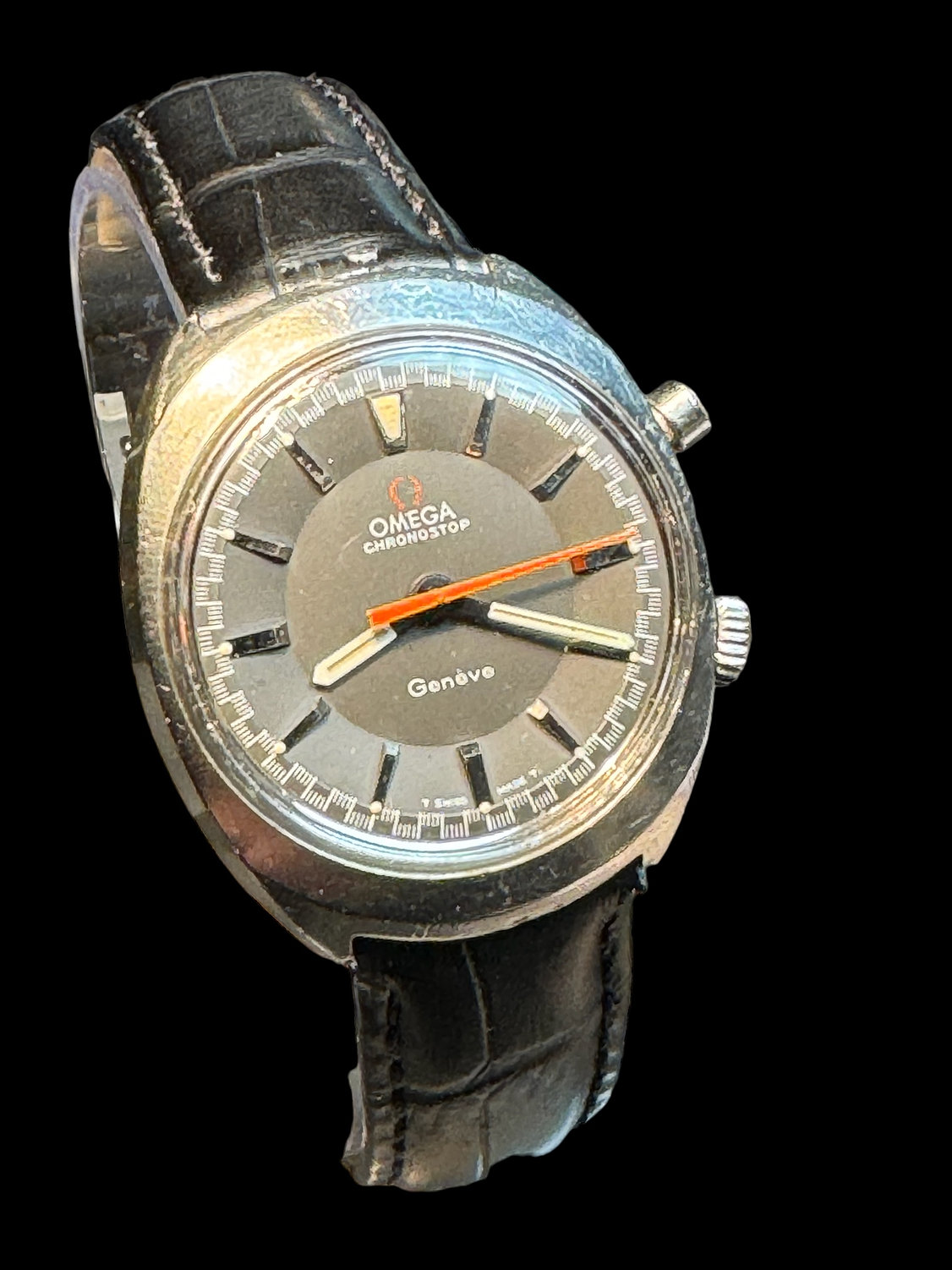
The 1970s were a revolutionary decade for watchmaking, with the introduction of the first digital and quartz watches. These watches featured electronic movements powered by batteries, offering a level of precision and convenience never seen before. The famous Casio digital watches and the groundbreaking quartz-powered Seiko Astron made waves in the industry and provided an affordable, high-performance alternative to mechanical watches.
Key Features:
-
Digital displays or quartz-powered movements
-
LED or LCD screens
-
Sleek, futuristic designs with metal bracelets
7. The 1980s: The Resurgence of Analog Watches
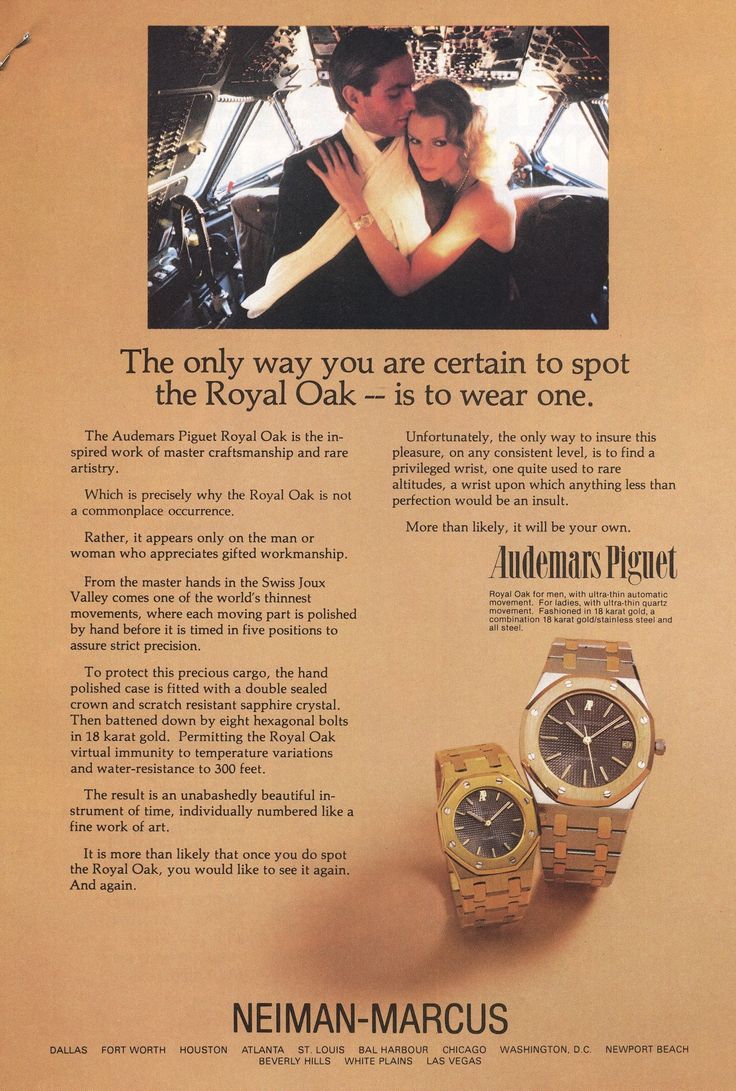
The 1980s saw a revival of interest in analog watches after the quartz crisis. Swiss watchmakers, in particular, began focusing on craftsmanship and mechanical movements once again. This era marked the return of iconic brands like Rolex, Patek Philippe, and Audemars Piguet, who brought back traditional watchmaking with a focus on luxury and style.
Key Features:
-
Classic analog movements with mechanical precision
-
Bold, yet refined designs with high-end materials
-
Leather straps or metal bracelets for a more formal look
8. The 1990s: The Evolution of Luxury and Diversification

The 1990s marked the diversification of luxury watch styles. Watchmakers began experimenting with a variety of materials, including titanium and ceramic, which were both lightweight and durable. The era also saw the rise of high-complication watches, like those with perpetual calendars and minute repeaters, while the introduction of sporty designs, such as the Rolex Yacht-Master, appealed to a younger audience.
Key Features:
-
Use of modern materials like titanium and ceramic
-
High-complication functions
-
Sporty designs with a focus on functionality
9. The 2000s: Smart Watches and Innovation
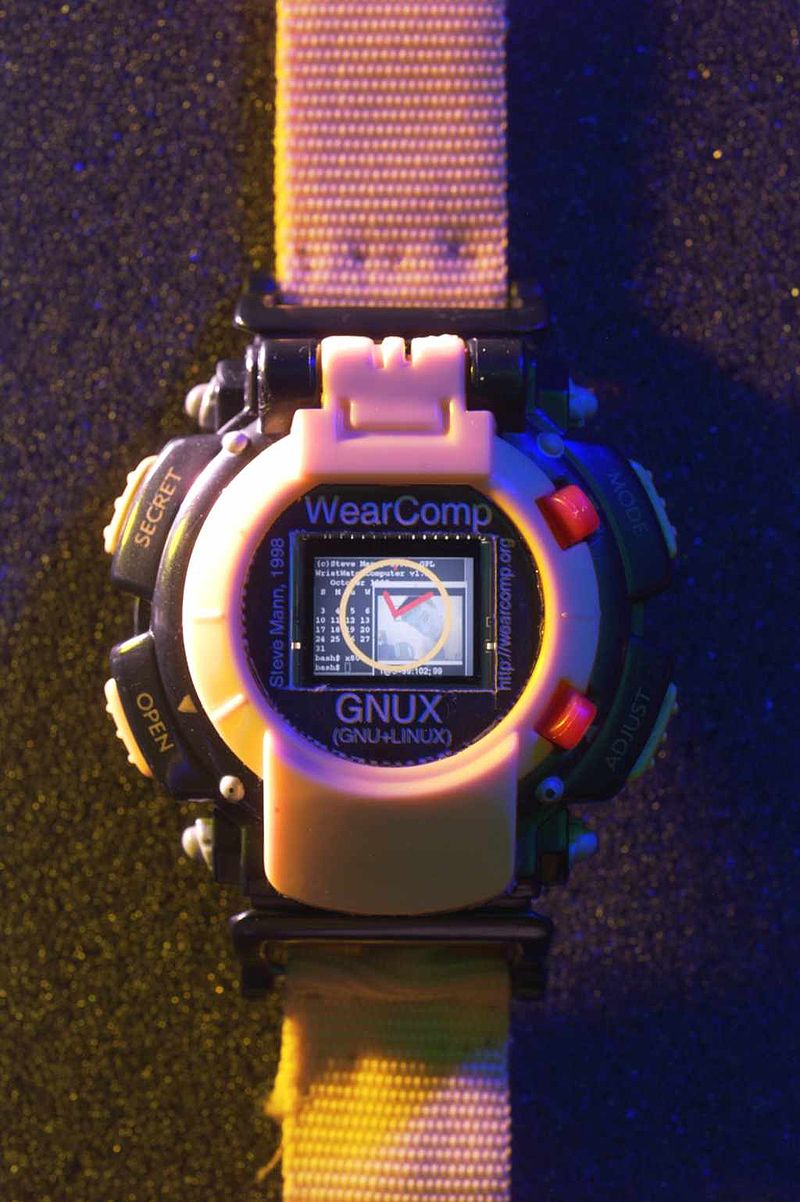
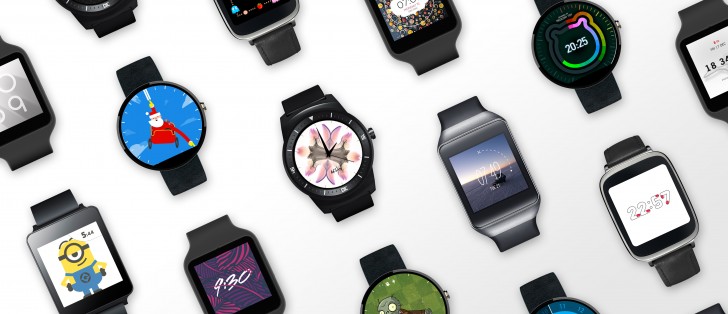
As technology continued to advance, the 2000s saw the introduction of smartwatches. While traditional analog and mechanical watches remained popular, smartwatches offered a new realm of functionality, including fitness tracking, notifications, and more. Brands like Apple, Garmin, and Fitbit led the way, and the smartwatch revolution became a prominent part of the timepiece market.
Key Features:
-
Digital displays with interactive screens
-
Fitness and health tracking features
-
Connectivity with smartphones and other devices
10. The 2010s to Present: The Blend of Tradition and Technology
In recent years, watchmakers have embraced both tradition and innovation. Luxury brands have combined mechanical movements with smartwatch functionality, offering hybrid models that cater to both horology enthusiasts and tech-savvy users. Brands have also placed a renewed emphasis on sustainable materials, such as recycled metals and eco-friendly straps, to appeal to environmentally conscious consumers.
Key Features:
-
Hybrid models with mechanical movements and smartwatch features
-
Focus on sustainable and eco-friendly materials
-
Classic designs with a modern twist
Conclusion
Watches have undergone a remarkable transformation over the years, from intricate pocket timepieces to sophisticated, multi-functional smartwatches. Yet, one thing remains constant: the pursuit of excellence in both design and functionality. Whether you prefer the timeless elegance of a mechanical watch or the cutting-edge technology of a smartwatch, there’s no doubt that each era has contributed something unique to the world of horology.
You can buy watches at: MPT Watches
You can buy vintage watches at: Vintage watch room
Comment